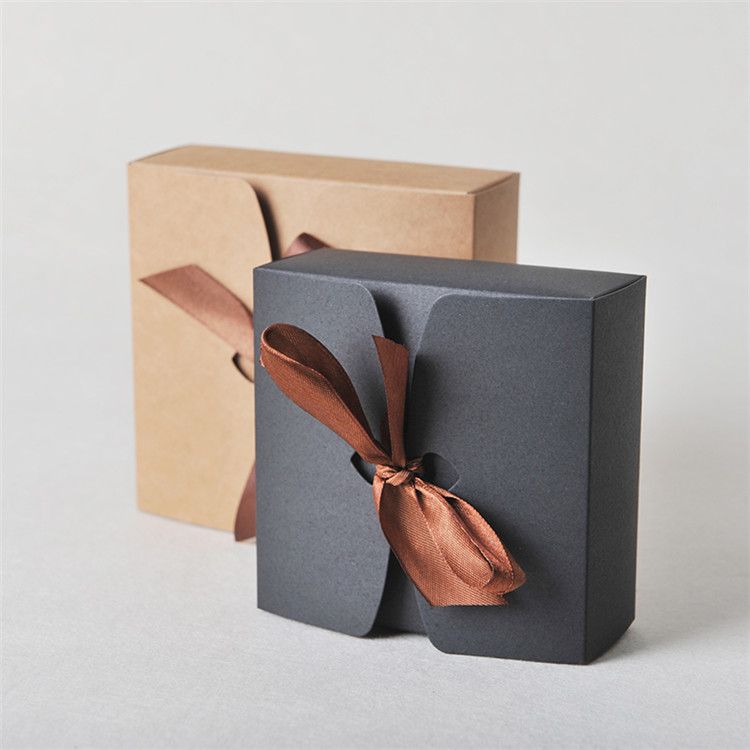
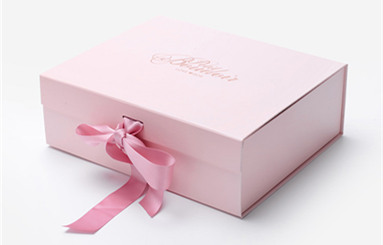
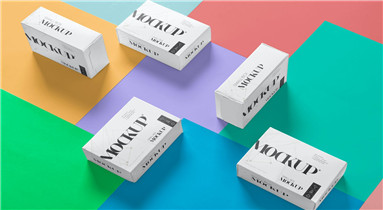
Digital print is available for a variety of packaging solutions, including but not limited to:
- Corrugated Boxes
- Retail and Point-of-Purchase Displays
- Folding Cartons
- Product Labels
- Pouches and Flexible Packaging
- Shrink Sleeves
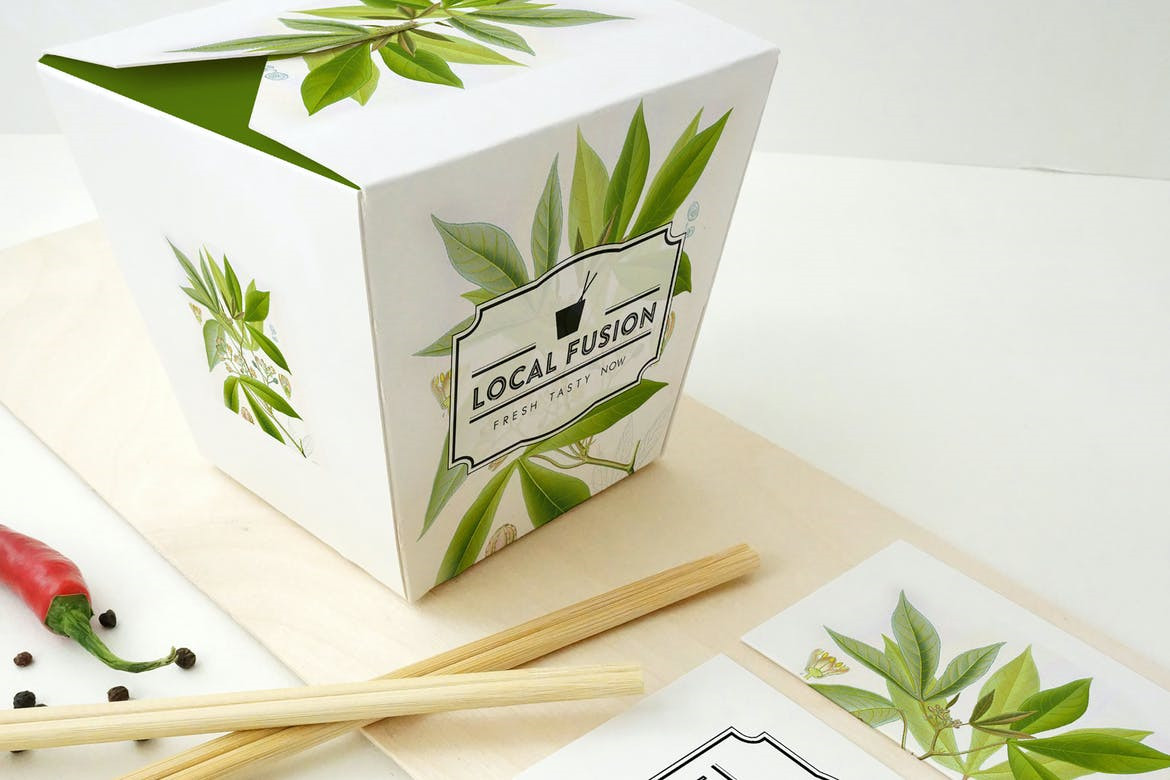 The benefits of digital printing are absolutely essential for today’s packaging sector. Digital printing is the ideal process for small to medium print runs and enables the creation of customized printing for packaging and displays.
Digital printing is particularly well suited to small and medium print runs in different formats. Its low set-up costs translate into good cost benefits in comparison to other printing processes. This means you no longer have to place consolidated orders of large print runs or hold high stock levels. Stay flexible and save printing set-up costs!
Digital printing is essential for a quick market launch as you can acquire cost-effective test production runs for your market research. As it is a contactless printing process, fast image changes and therefore shorter delivery times are possible. You can expect the optimization of your supply chain with digital printing!
Retain your customers through customized packaging for special campaigns or seasonal packaging. Your print images can also be personalized. Your color choices for your design know no limits – the CMYK color models consist of the three colors of Cyan, Magenta, Yellow, and Black (key) which is derived from the keyplate. A whole range of special colors can be simulated in digital printing using the CMYK process colors. This minimizes color variations. Invisible code in the print image is also possible. Design your contemporary and customized printing today!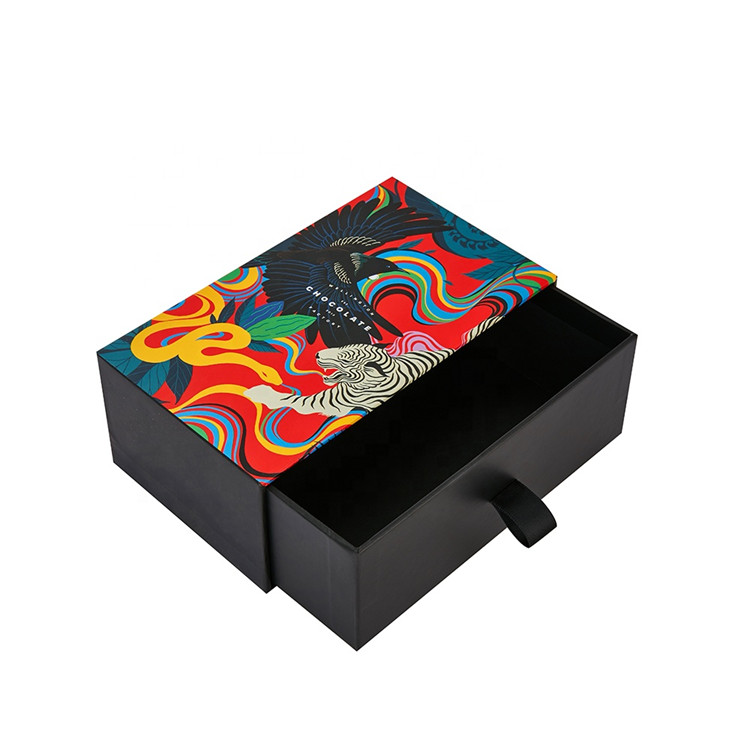
How is Digital Print for Packaging Different?
The key difference between digital print and analog methods is that digital doesn’t require the use of print plates to transfer the image onto the material surface. Flexography and litho lamination both need print plates to transfer the image onto the desired substrate manually. Complex images with many colors use multiple print plates, as each plate can only transfer one color of ink. Print plates not only add time and cost to the process but can also creatively limit the outcome. Free of these restrictions, digital delivers many advantages to packaging manufacturing, including speed, quantity control, print quality, and range.
Choosing between analog methods versus digital print depends on the needs of the job. If a brand is looking for packaging that features 100,000 identical impressions for a campaign set to launch in three months, litho lam or flexo may be the more competitive choice based on value. These methods were made for high-volume mass production with no print variance throughout the run. Unfortunately, they frequently require significant lead time.
However, if a brand is short on time, desires any level of variable graphics, or has specific volume requirements, digital print is a great solution. This rapidly evolving technology delivers unmatched print flexibility and empowers brands to react quickly in today’s ever-changing marketplace.